
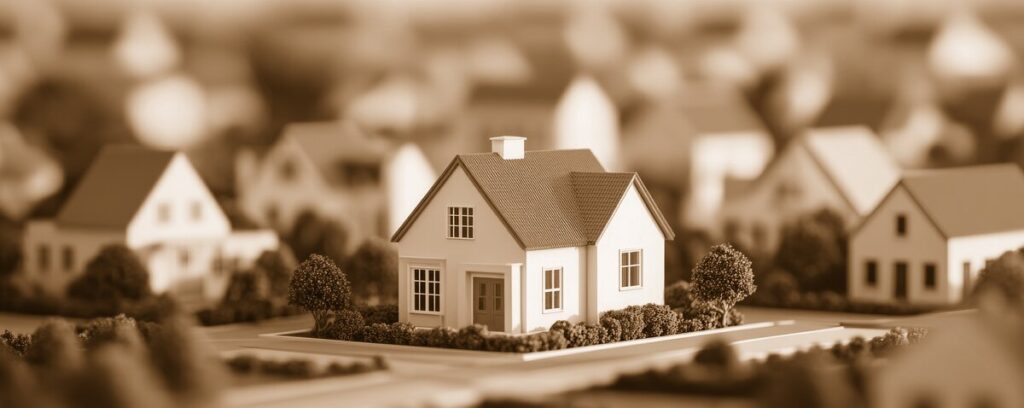
A Place Where Stories Grow: The Birth of Green Oaks
Nestled in the southeastern corner of Lansing, Green Oaks stands as a hidden gem rich with history, character, and community warmth. Although often overshadowed by some of the city’s larger districts, Green Oaks has quietly cultivated a deep sense of identity, shaped by its origins and the enduring spirit of its residents. Understanding Green Oaks today means appreciating how its past has shaped its leafy streets and friendly sidewalks.
Green Oaks began to take shape in the post-World War II era, during a citywide housing boom that saw Lansing’s neighborhoods spread outward from the bustling downtown core. The area’s development was a response to the growing workforce at Oldsmobile, Michigan State University, and the state government, all of which spurred new generations of families to settle here.
How Green Oaks Got Its Name
The neighborhood’s name isn’t just poetic flourish—it’s a nod to its native landscape. Before streets and houses, the area was characterized by its gently sloping hills and canopies of mature oak trees. Early developers and residents wanted the new community to echo the serene woodlands that once dominated the eastern edge of Lansing. The moniker “Green Oaks” seemed fitting: a symbol of natural beauty, resilience, and the promise of new beginnings.
Many original streets, like Green Oaks Drive and Forest Avenue, still retain that arboreal theme, reminding new generations of the green legacy inherited from those first stands of old-growth trees.
Early Development: Laying Down Roots
In the late 1940s and early 1950s, the first homes were built along streets such as Green Oaks Drive, Grove Street, and Cedarwood Drive. The structures that still stand today range from classic Cape Cods and sturdy brick ranches to lovingly maintained bungalows. Each style speaks to the optimism and architectural trends of postwar America.
Key catalysts for growth included:
- Proximity to Jolly Road and Cedar Street, which provided quick access to downtown Lansing and the growing suburbs.
- The expansion of local schools, with Mount Hope Elementary and Everett High School both playing pivotal roles in attracting young families.
Over the decades, Green Oaks fostered a tight-knit culture, where neighbors looked out for one another and annual traditions—like summer block parties and holiday light displays—became cherished customs.
Historic Landmarks and Notable Institutions
Although Green Oaks is primarily residential, it’s home to several landmarks that anchor the neighborhood’s story:
- Risdale Park: Bordering the western side of Green Oaks, this relaxed green space has served as the neighborhood’s de facto backyard for generations. With mature trees, playgrounds, and picnic pavilions, Risdale Park remains the site of countless family reunions, baseball games, and community gatherings.
- Christ United Methodist Church: Established in the early 1960s at the corner of Pleasant Grove Road and Greenlawn Avenue, the church quickly became more than a place of worship; it’s a community hub, hosting everything from youth programs to local farmers’ markets.
- The Green Oaks Neighborhood Association: Formed in the early 1980s amid the city’s efforts to strengthen local governance, this group has advocated for responsible development and community pride, organizing events and championing local projects.
While Green Oaks might lack the grand Victorian houses of Lansing’s Westside or the bustle of downtown, its mid-century homes and communal focal points are imbued with stories and significance.
Change and Continuity: Green Oaks Over the Decades
Like many Lansing neighborhoods, Green Oaks has experienced waves of change since its founding:
- 1970s–1980s: The neighborhood faced challenges as the auto industry fluctuated, but strong community ties and local schools provided stability.
- 1990s–2000s: A new generation of residents moved in, attracted by affordable homes and proximity to both downtown and local parks. Renovations and neighborhood clean-ups blossomed, and community picnics saw record turnouts.
- Recent years: As Lansing reinvents itself as a diverse and dynamic Midwest capital, Green Oaks has quietly thrived. Older homes are lovingly restored, new families mingle with longtime neighbors, and the oaks that inspired the neighborhood’s name still shade children at play.
The area’s walkability, tree-lined streets, and sense of safety continue to draw newcomers. Streets like Glenmoor Road and Sycamore Drive are especially treasured for their tranquil atmosphere—a living testament to the vision of Green Oaks’ original planners.
The Spirit of Green Oaks: What Makes It Special
Ask any resident: Green Oaks is more than a collection of houses, parks, and roads; it’s the kind of place where people wave hello to neighbors, keep an eye on community gardens, and swap local history over backyard fences. Some favorite neighborhood highlights include:
- The annual Green Oaks Block Party—a tradition stretching back more than forty years, complete with potlucks, games, and live music.
- The holiday lights tour—where families stroll or drive through the neighborhood admiring the festive displays that light up Green Oaks each winter.
- Neighborhood clean-up days—where neighbors of all ages come together to plant flowers, repaint park benches, and ensure the sense of pride endures.
Residents often speak of Green Oaks in terms of continuity—a place where grandparents who bought their homes in the 1950s now welcome grandchildren for family cookouts under the same towering oaks.
Looking Forward: Honoring the Past, Welcoming the Future
As Lansing continues to change, Green Oaks remains steadfast in its commitment to community and heritage. The neighborhood’s evolution—from farmland and forests to a lively, diverse residential enclave—mirrors the story of Lansing itself. And through it all, the essential character endures: warm, welcoming, and always looking out for its neighbors.
For those seeking a slice of Lansing’s history—and a glimpse of its best future—there’s no place quite like Green Oaks, where roots run deep and the legacy of community continues to flourish.